Spain was a land of pledge for Jews in the Middle Ages, up until the 1492 expulsion by the Catholic Kings (Reyes Catolicos). There is a variety of towns and cities in Spain that are very important to Jewish heritage in the nation.
There are well-known Jewish quarters throughout Spain: from those in Andalusia’s Seville and Cordoba to the ones in Catalonia’s Barcelona and Girona, in addition to one in north-west Spain’s Ribadavia, not to point out those near Madrid in Segovia and Toledo, you can discover a Jewish Quarter to check out no matter where you are remaining in Spain.
What follows is a list of the cities that comprise Jewish Spain, with information of what there is to see in each city.
Jewish Barcelona and Girona
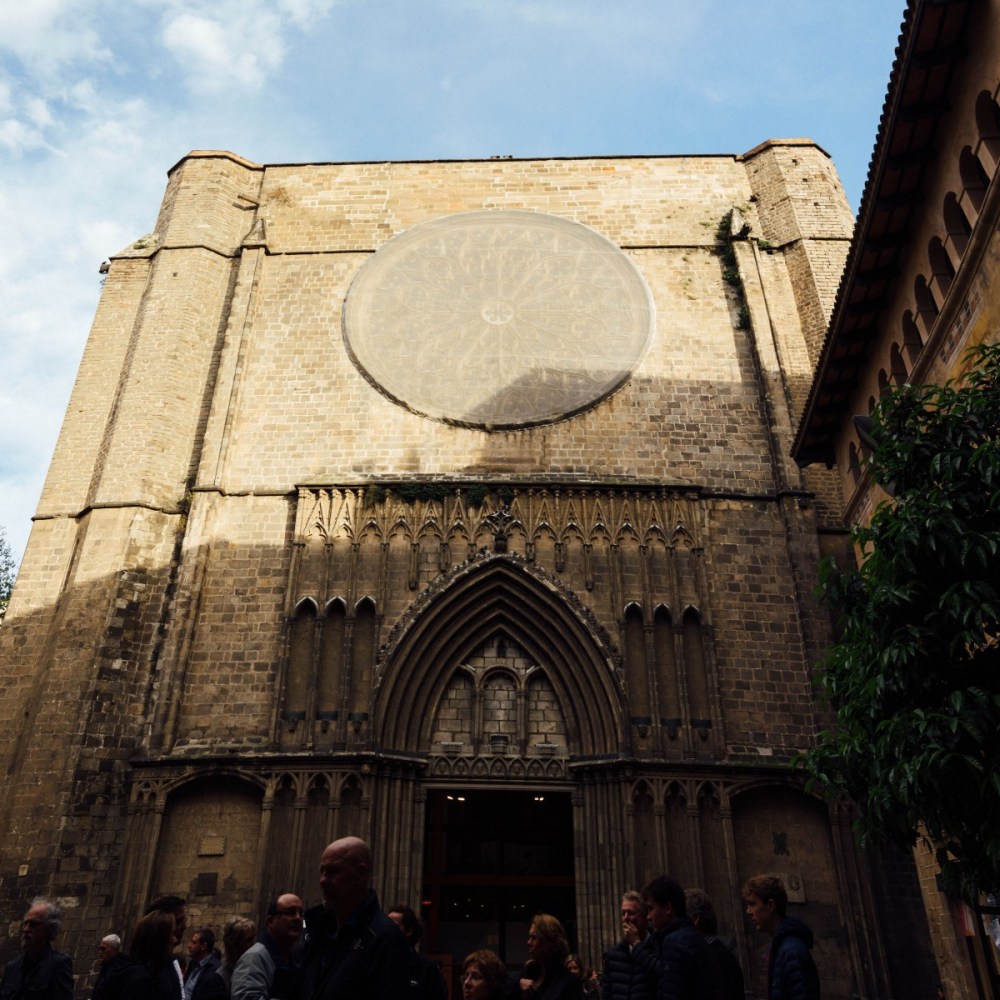
El Call is Barcelona’s Jewish Quarter. Found in between the Cathedral of La Seu, Plaça Jaume, and Plaça del Pi, it’s a climatic location which provides a remarkable insight both into Barcelona’s history and the story of Jewish individuals in Catalonia.
El Call indicates “alley,” and appropriately, El Call itself is a little labyrinth of narrow streets. The Jewish existence in Barcelona go back to the 9th Century, although it was 2 centuries later on when El Call was developed.
Jews were extremely prominent in the introduction of Barcelona as a trading port of global significance throughout the middle ages duration and delighted in the King’s security. Till 1391 that was, when the Jewish Quarter was assaulted and Jewish benefits rescinded. A fascinating area here is the Centre d’Interpretació del Call. This is a museum committed to the history of the Jewish Quarter. It remains in a 14th Century home called your home of the Rabbi and saves unusual duration information in its architecture.
Likewise of interest is an ancient synagogue, the Synagoga Mayor, thought to be among the earliest in Europe, going back as far as the 3rd century ADVERTISEMENT. It has actually been brought back by the Associació Call de Barcelona and is open to the general public.
Girona’s Jewish Quarter
The Jewish quarter in Girona is likewise called the ‘Call’ and is among the very best protected in Europe. The streets of Carrer de Sant Llorenç and Carreró, Travessia del Dr Luis Batlle and Carrer del Dr Miquel Oliva comprise the primary part of the Jewish quarter here. Torre Gironella is the well-known sanctuary of the Jews throughout struggling times.
Find Out More about Girona.
What Else exists to See in Girona?
Girona is a traditional middle ages walled city that is fantastic to aimlessly roam around in. It is close to the city of Figueres, house to the Salvador Dali museum.
How to Get to Girona
Girona is on the high-speed railway from Barcelona to Paris (the train likewise serves Figueres). Barcelona likewise has a popular Jewish Quarter.
Jewish Toledo
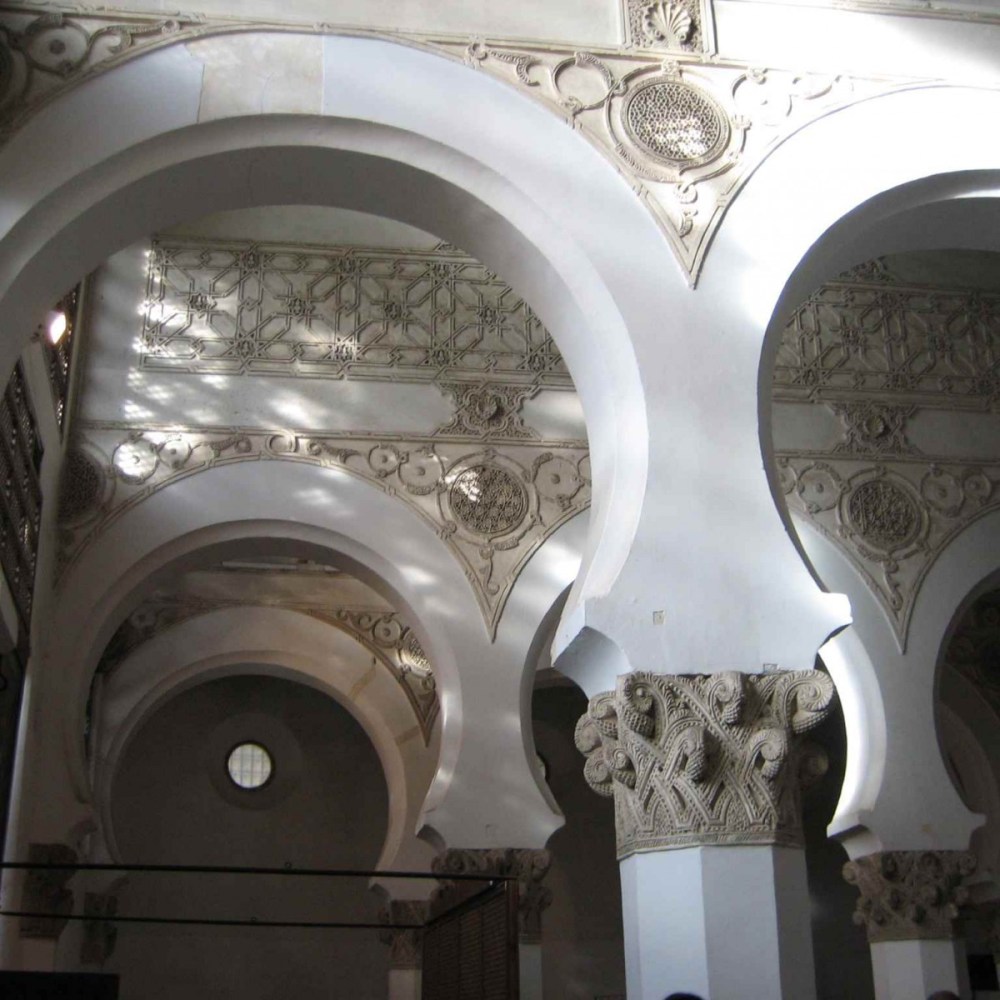
Toledo had among the biggest Jewish populations in Spain. A great location to see the old Jewish quarter is from the Mirador de San Cristóbal. The quarter extends from Calle Taller del Moro as far as the city walls at the Puerta del Cambrón. 2 of the city’s 10 synagogues still make it through as they had actually been transformed into churches following the expulsion of the Jews – the Sinagoga del Tránsito (now a museum) and the Sinagoga Santa Maria la Blanca. Request for more info on Jewish Toledo at the museum in the Tránsito synagogue.
Find Out More about Toledo
What Else exists to See in Toledo
Toledo is among the most popular field trip from Madrid, well-known for its city walls and cathedral.
How to Get to Toledo
Take the high-speed train from Madrid to Toledo and you’ll exist in thirty minutes!
Jewish Segovia
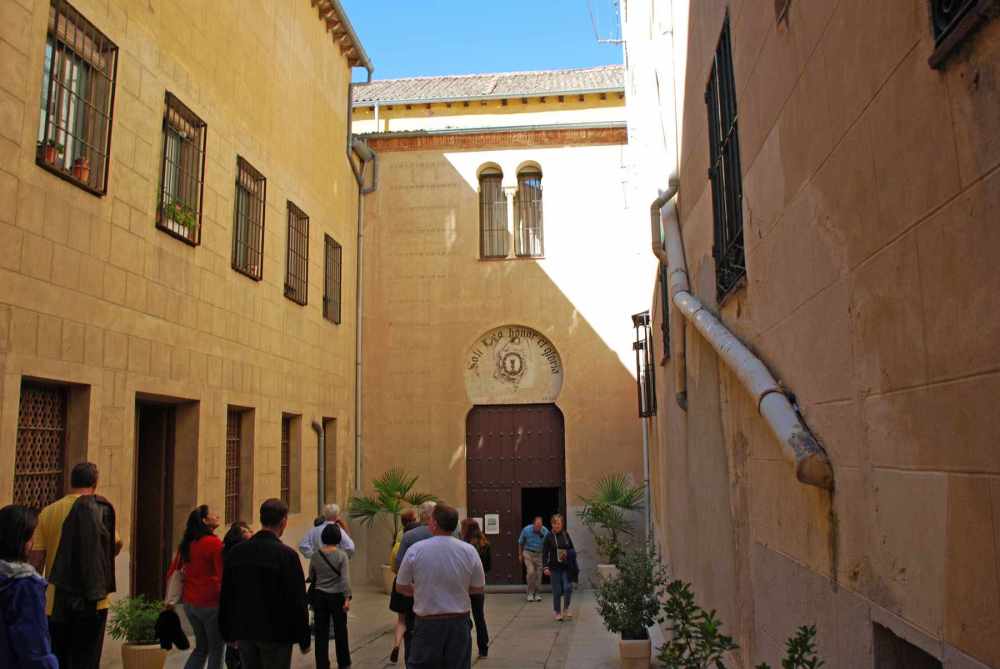
The old Sinagoga Mayor is now the Corpus Christi church and marks the start of the Jewish quarter, which extends from there to the Canonjía. The traveler details center in Segovia has a great deal of great details on the city’s Jewish quarter, consisting of advised paths through the district.
Learn More about Segovia
Cooking vacations usa: https://www.theinternationalkitchen.com/cooking-vacations/usa/
What Else exists to See in Segovia
Segovia is a terrific outing from Madrid. It has a 2,000-year-old Roman aqueduct and a fairy tale castle (believe Bavarian or Cinderella’s).
How to Get to Segovia
Take the high-speed train from Madrid: it takes under an hour.
Learn More about How to Obtain From Madrid to Segovia
Nevertheless, it deserves appearing to Avila en route to see the fantastic city walls. This detour can’t be taken by train and to fit both in a single day, you’ll most likely wish to take an assisted trip.
Jewish Córdoba and Seville
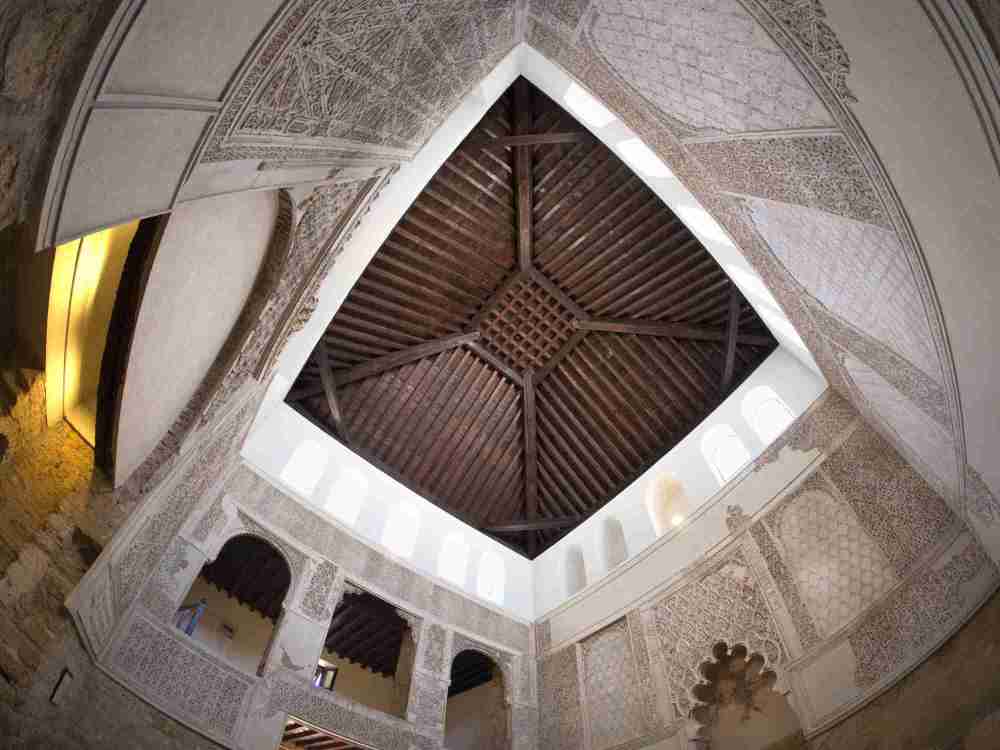
Cordoba is nearly viewed as a little sibling to neighboring Seville, however in regards to its Jewish heritage, it’s the primary city in the location. However with the 2 cities simply 40 minutes apart by train, it makes good sense to check out the 2 on the exact same journey.
Córdoba’s Jewish quarter is among the most well-known in Spain. The whitewashed walls of the district simply north of the terrific Mezquita mosque is among the most popular sights in the city. The streets of Tomas Conde, Judíos and Plaza Juda Leví comprise most of the Jewish quarter (in Plaza Juda Leví you can discover the community traveler workplace with great deals of details on the Jewish neighborhood in Córdoba).
The 14th-century synagogue in Córdoba is the just one in Andalusia and the only synagogue in Spain that was never ever become a Christian structure. Other crucial sights in the Jewish Quarter consist of a bull museum and a monolith to Jewish theorist and physician Maimonides.
What Else exists to See in Córdoba
Cordoba’s primary sight is its Mosque-Cathedral, which has actually served the city’s other 2 faiths for centuries.
Find Out More about Córdoba.
How to Get to Córdoba
Cordoba is on the high-speed train line from Madrid to Seville, especially near to the latter city, that makes checking out from Seville a terrific concept. Plus, Seville has an essential Jewish quarter of its own to go to.
Other Jewish Cities in Spain
:max_bytes(150000):strip_icc()/tortosa-jqmj-Queralt -56a420b95f9b58b7d0d58462.jpg)
Cáceres had 2 Jewish quarters, each with a synagogue. The Judería Vieja (Old Jewish Quarter) had its synagogue where the San Antonio hermitage stands today. The synagogue of the Judería Nueva (New Jewish Quarter) based on c/Cruz, however no longer stands.
Tudela
Tudela had 2 Jewish quarters, the Juderia Vetula (around c/San Julián) and the Juderia Nueva (along Paseo del Castillo) and as soon as had 3 synagogues, though nobody is completely sure where they were.
Hervas
The Jewish quarter starts around La Plaza and increases to the river, where you will discover a variety of little winding streets. It included the streets of Call del Vado, Calle Amistad Judeocristiana and Calleja de los Cofrades, however the majority of the initial Jewish structures have actually long remained in the hands of other religious beliefs. The synagogue was on Calle del Rabilero.
Ribadavia
Ribadavia’s Jewish heritage is rather well maintained. There are a variety of celebrations in Ribadavia that have Jewish origins – the Festa da Istoria, the Boda Judía and efficiencies of Sephardic music. The synagogue would have been on Plaza de la Magdalena.
Ribadavia is an excellent location to get info on Jewish Spain, as the Network of Jewish Quarters in Spain and the Sephardic Details Center of Galicia are both in this town.
Tortosa
The Catalan town of Tortosa has a strong history of both Muslims and Jews. The Jews in the town inhabited a crucial position in the town as early as the 8th century, when the town was inhabited by the Muslims, as they had the ability to offer a link in between the Christians and the Jews. When the Christians freed the town in the 12th century, the Jews got the Muslim shipyards. The brand-new Jewish quarter, established in the 13th century, is still well maintained to this day, inhabiting the streets around Major de Remolins.
 Music Food